

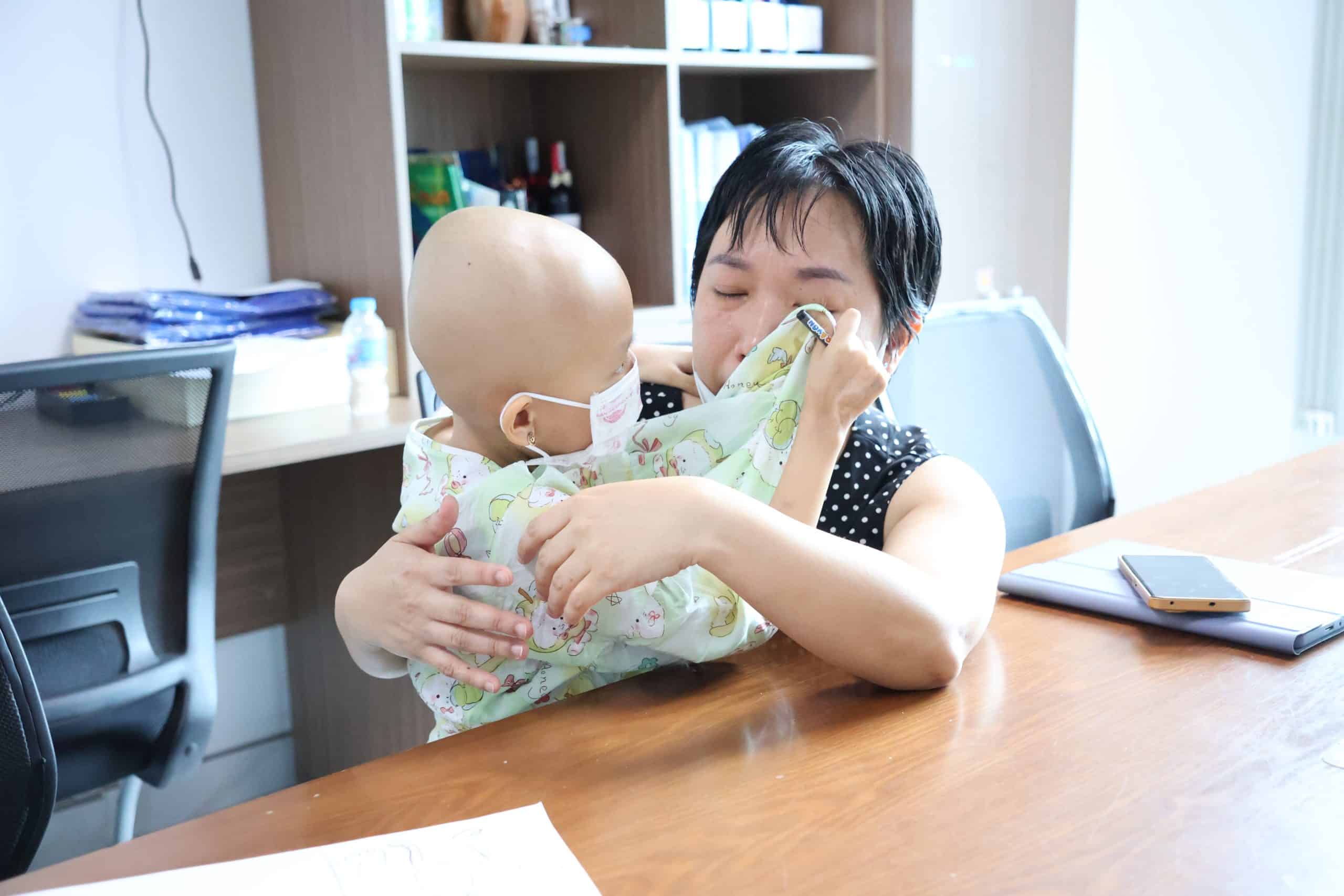
Before, Hung’s mother was so afraid of needles and blood that she could barely look during his blood tests. Today, she is the one carrying her son into the room for IV access, lumbar punctures, and staying by his side through every round of chemotherapy.
Since became ill, it has not only been a boy of nearly three learning to navigate treatment. His whole family has had to learn how to be stronger, each in their own way.
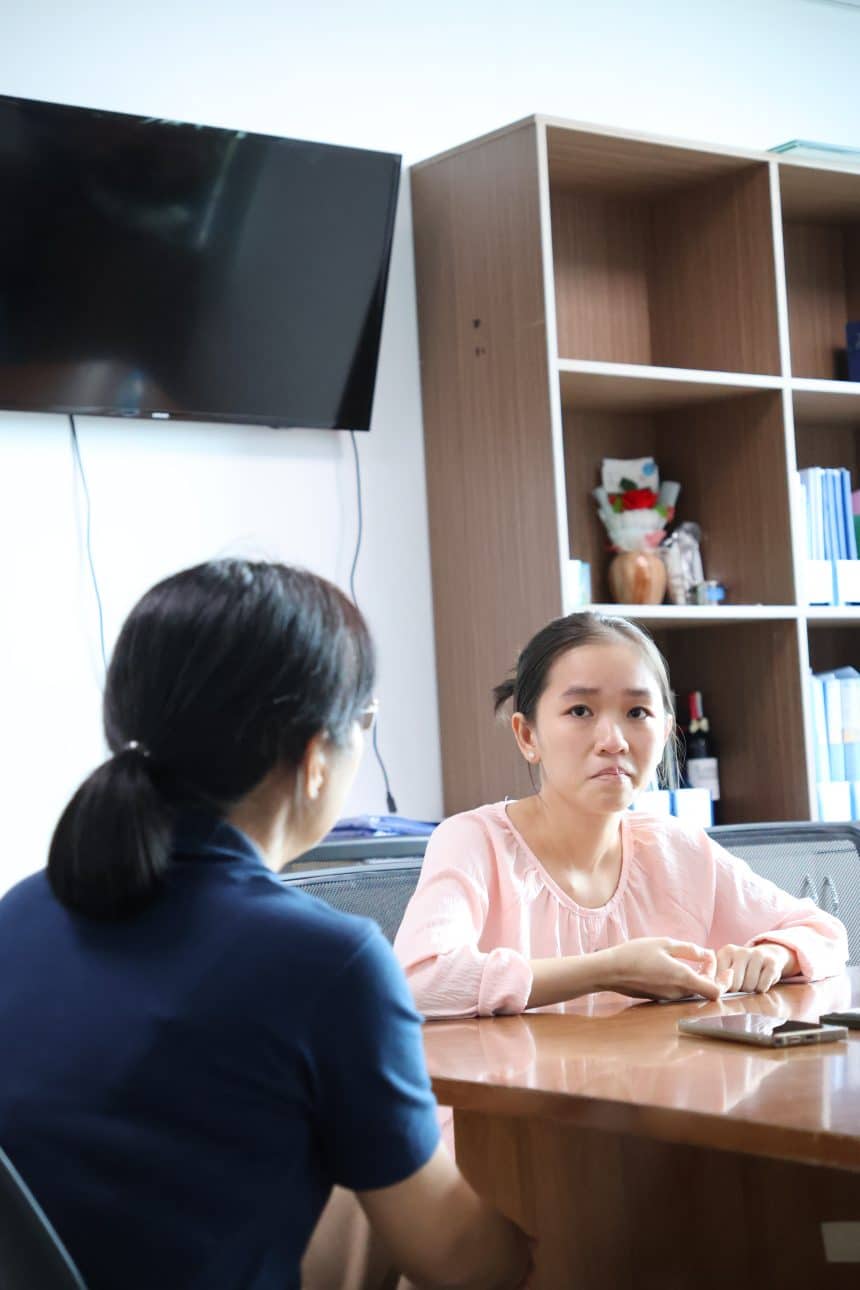
In early 2026, what first seemed like an ordinary swollen lymph node was followed by persistent fever, loss of appetite, a swollen abdomen, and increasing fatigue. After several medical visits, Hưng was diagnosed with acute lymphoblastic leukemia (ALL) and began a 28-month treatment plan at Children’s Hospital of Ho Chi Minh City.
When his response to treatment was not as expected, Hưng was moved to a high-risk treatment protocol after his first chemotherapy cycle. He experienced repeated complications and drug allergies, including one episode of anaphylaxis, requiring doctors to change his medication. Although health insurance provides coverage, his mother says the family still has to pay for various medications and treatment-related expenses not covered by insurance, with many more rounds of treatment still ahead.
Childhood cancer does not affect only one child. It can change the rhythm of an entire family’s life
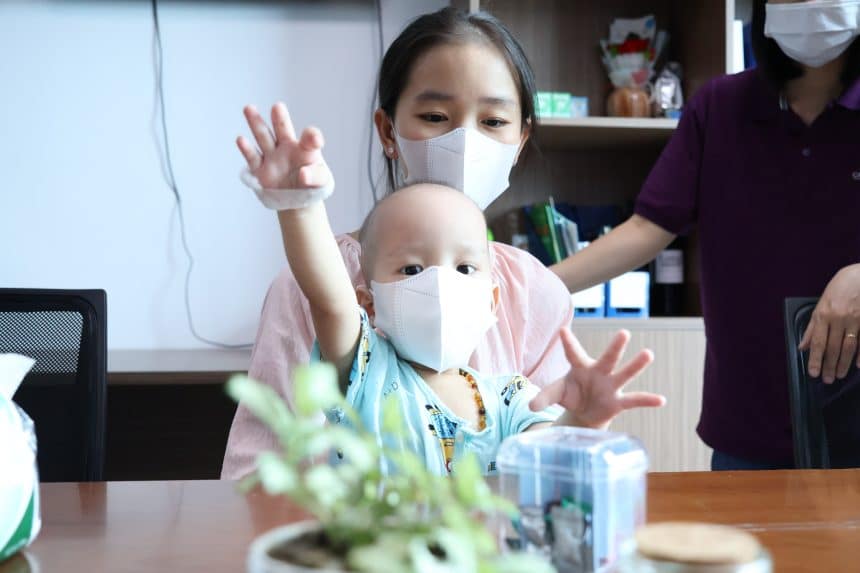
When Hung was first hospitalized, both his parents had to stop working to care for him. During the day, his mother tried to stay calm as she cared for her son, keeping track of every medication, every test result, and every small change in his condition. Only at night, when Hung was asleep, did she allow herself to quietly cry.
After some time, Hung’s father returned to work on construction projects in Ho Chi Minh City to earn an income. Back home, Hung’s grandfather, who had always worked in the garden, began taking on construction work during the day and returning late at night to tend to the garden, doing whatever he could to earn a little extra and support Hung’s treatment.

With treatment lasting months or even years, along with mounting expenses and lost income when parents have to stop working to care for their child, one of the greatest challenges many families face is keeping treatment on track without interruption.
Hung’s mother shared that support from donors not only helps ease the family’s financial burden, but also makes them feel “less alone” and gives them the strength to keep going.

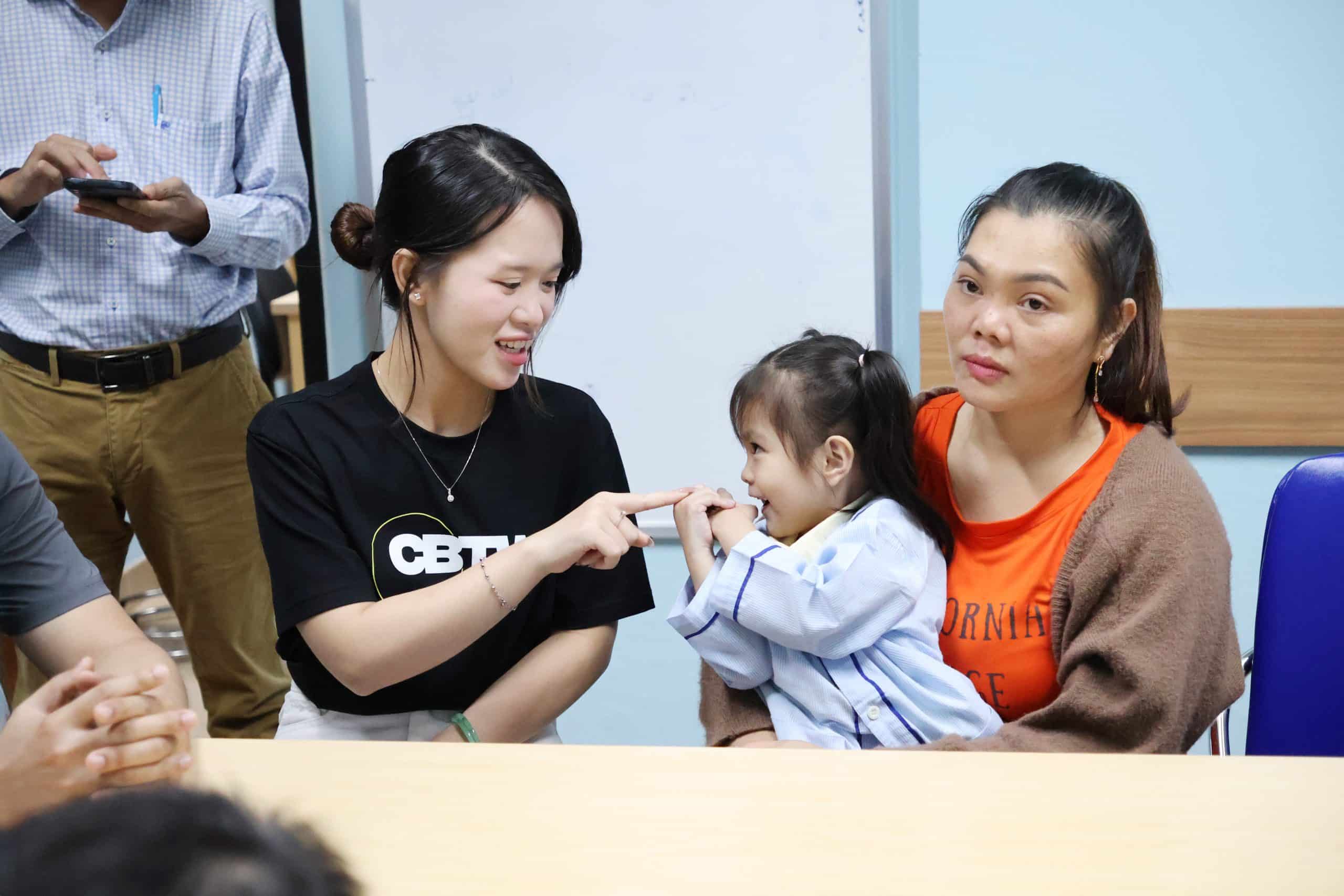
Can-Clover sincerely thanks Caravelle Saigon for becoming a timely source of support for Hung and his family throughout their treatment journey. This support helps ease their financial burden and gives Hung the resources he needs to reach each treatment milestone and move closer to the day he can be healthy again.
Related news

Subscribe to our Newsletter to stay up-to-date
Please see our privacy policy for details of how we will use your information and keep it safe and secure.